Welcome to Tom’s Wild World of Wood!
This is Tom Simpson, founder of Chisel & Loom, we supply boutique wood products that you won’t find in your local lumber store.
Follow Us On:
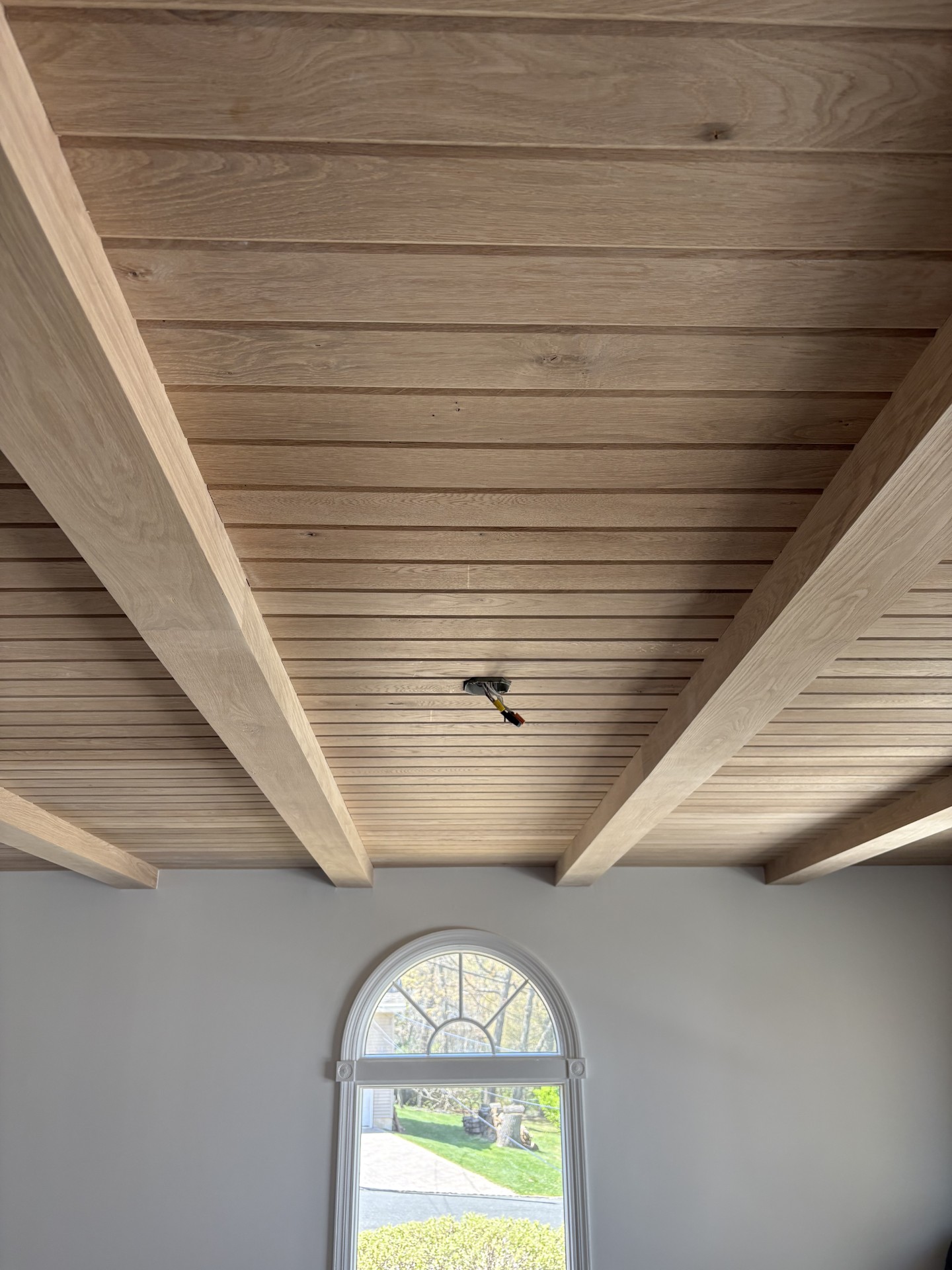
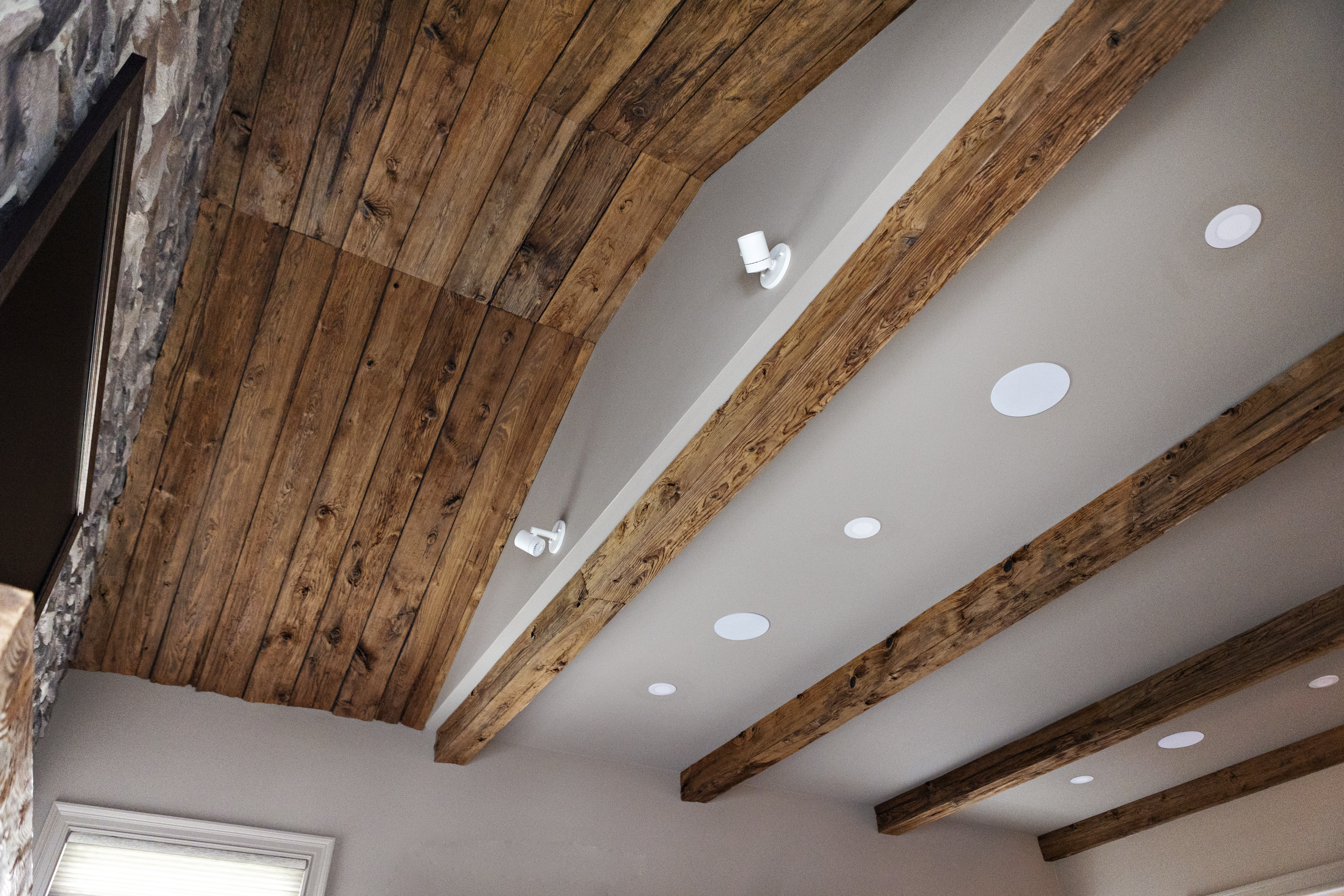
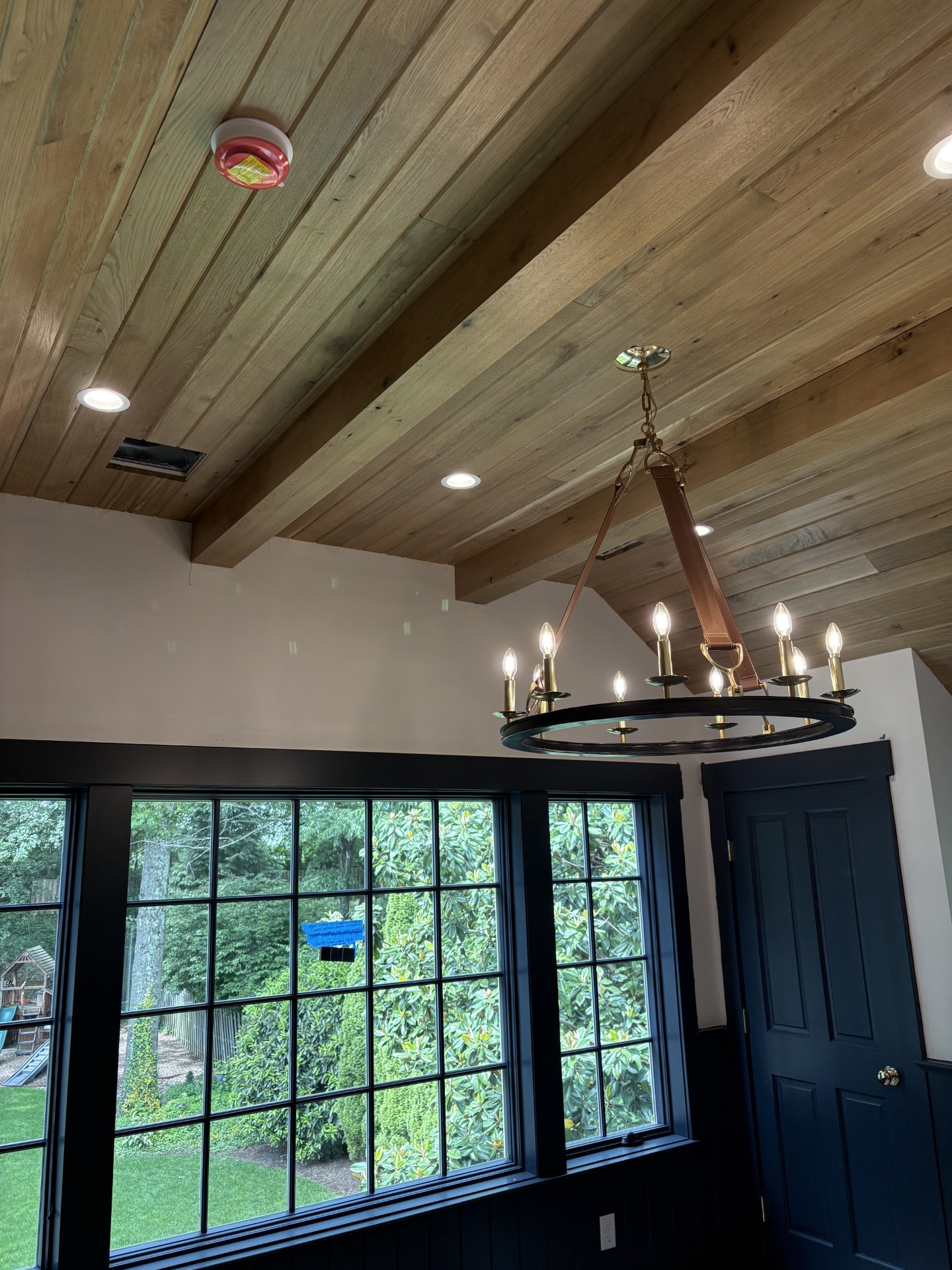
Transform Your Space: The Benefits of Decorative Wood Beams
When it comes to interior design, few elements can match the warmth, character, and timeless appeal of decorative wood beams. Whether you’re aiming for a rustic farmhouse vibe, a sleek modern aesthetic, or a cozy cottage charm, these architectural accents can elevate your space with minimal structural impact. Let’s explore the top benefits of incorporating decorative wood beams into your home or commercial space.
1. Instant Architectural Interest
Decorative wood beams create a strong visual focal point that draws the eye upward, adding dimension and depth to any room. Even in a plain white ceiling, a set of wood beams can break the monotony and introduce an element of sophistication.
2. Versatile Design Options
From rough-hewn and reclaimed to smooth and stained, wood beams are incredibly adaptable. Whether your style leans traditional or contemporary, there’s a beam style to match:
- Rustic: Ideal for farmhouse and lodge-inspired interiors.
- Modern: Sleek, straight beams in dark finishes create sharp, clean lines.
- Coastal or Cottage: Whitewashed or lightly stained beams add a breezy, relaxed touch.
3. Adds Warmth and Texture
Wood inherently brings warmth to a space, both visually and emotionally. Decorative beams help soften the feel of a room—especially one with a lot of modern materials like glass, concrete, or metal—by adding natural texture and a grounded, organic element.
4. No Structural Hassle
Unlike load-bearing beams, decorative wood beams (often hollow or lightweight faux beams) offer the aesthetic without the engineering. They’re easier and less costly to install and don’t require major modifications to your existing structure, making them perfect for remodels and DIY projects.
5. Covers Imperfections
Have an unsightly ceiling crack or uneven drywall? Decorative beams can be a smart and stylish cover-up. They not only mask imperfections but can also conceal wiring, lighting fixtures, or HVAC components with custom designs.
6. Improves Home Value
Stylish and well-executed design features like wood beams can increase your home’s visual appeal and resale value. Prospective buyers often view them as high-end finishes that suggest quality craftsmanship and thoughtful design.
7. Customizable Lighting Opportunities
Decorative beams can serve as the perfect mount for integrated lighting—such as recessed LED strips or pendant lights—creating a cozy ambiance or highlighting architectural features. This blend of form and function adds another layer of luxury to your space. For more information on lighting features and services please visit AV Luxury Design
Final Thoughts
Whether you’re renovating a living room, refreshing a master bedroom, or designing a cozy café, decorative wood beams are a powerful yet understated way to enhance any interior. With their beauty, versatility, and easy installation, they provide a winning combination of style and substance.
If you’re ready to add warmth, character, and architectural charm to your space, decorative wood beams might just be the perfect solution.
Interested in seeing how decorative beams could look in your home? Reach out to a local interior designer or beam supplier to explore the endless options and discover the perfect match for your vision.
January 27th, 2025
Elevate Your Home Design With Shou Sugi Ban
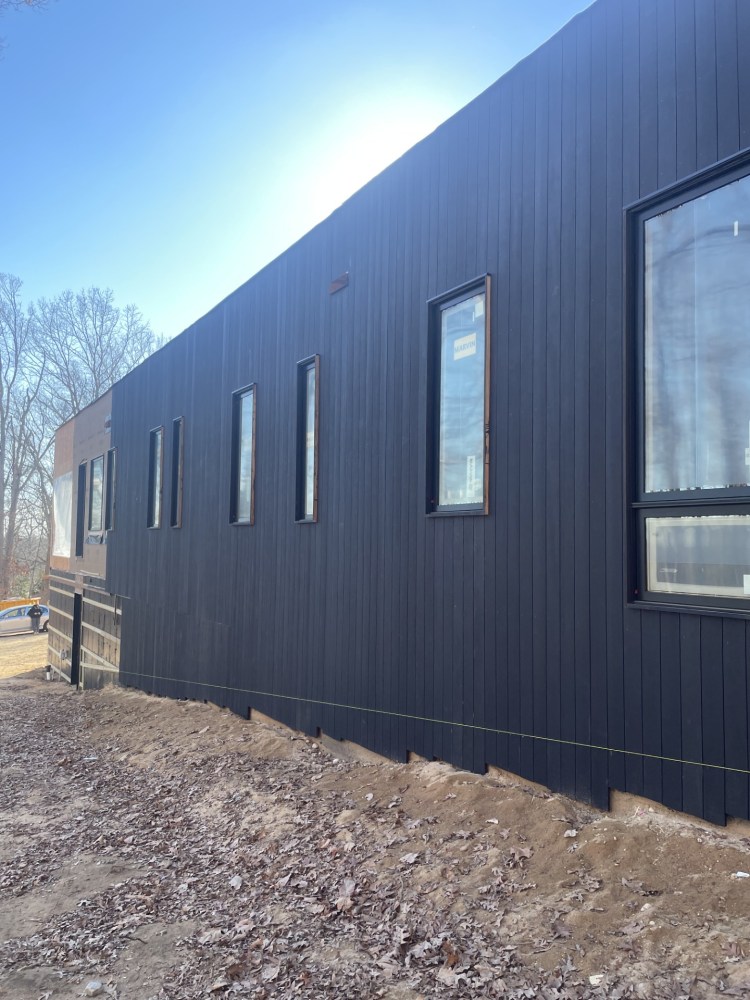
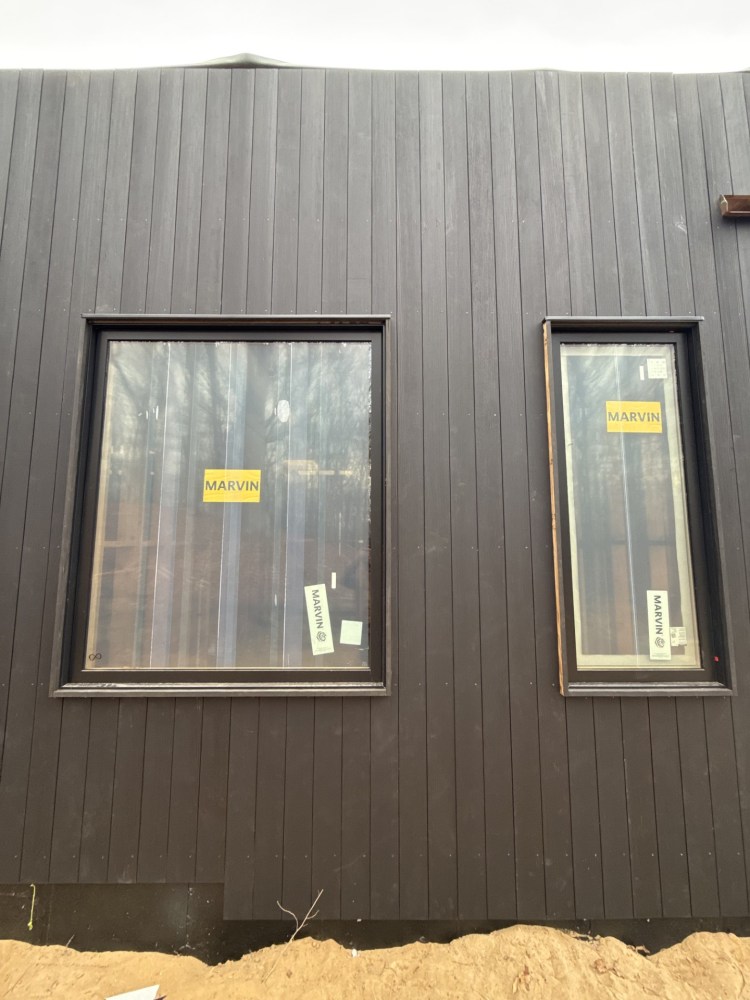
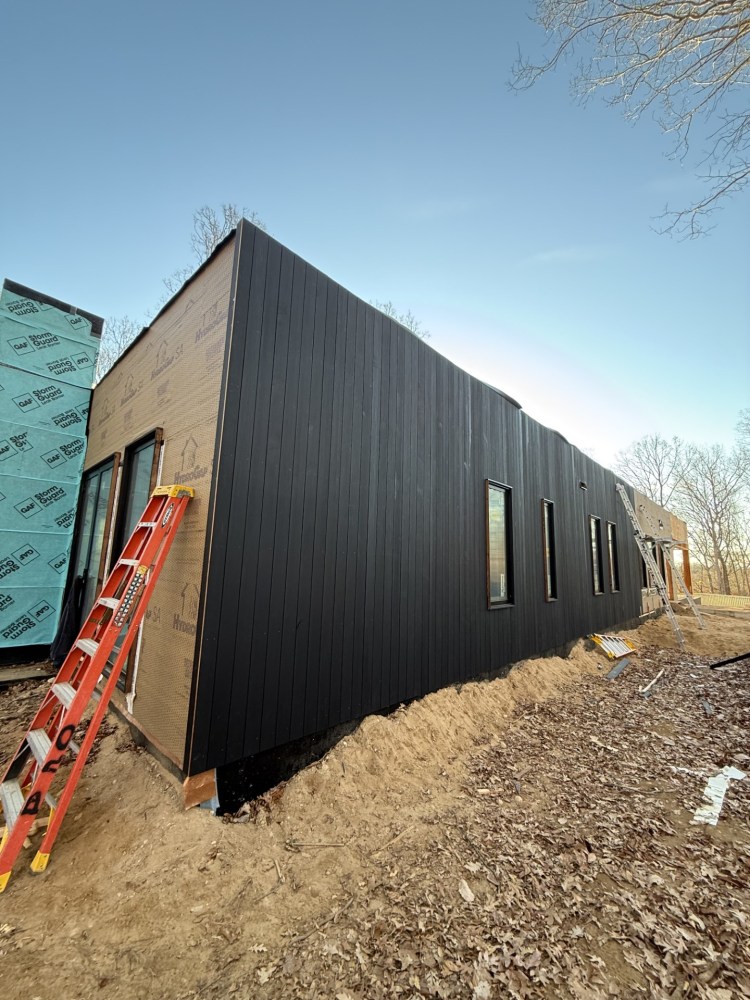
In the world of home design, few techniques blend history, art, and function as seamlessly as shou sugi ban. This ancient Japanese wood preservation method, which involves charring the surface of wood, has captured the imagination of architects, designers, and homeowners worldwide. Whether you are looking to add a touch of modern sophistication or rustic warmth to your home, shou sugi ban offers a unique aesthetic and practical benefits.
What is Shou Sugi Ban?
Originating in 18th-century Japan, shou sugi ban translates to charred cedar board. The process involves burning wood to create a charred surface, which is then brushed, cleaned, and sealed to preserve the finish. Traditionally used to protect wood from weather, pests, and decay, this technique has become a sought-after design element in contemporary architecture and interiors.
Why Choose Shou Sugi Ban for Your Home?
1. Timeless Aesthetic: The dramatic, textured look of charred wood adds a bold statement to any space. Its dark tones pair beautifully with both minimalist and eclectic styles.
2. Durability: The charring process makes wood resistant to insects, rot, and fire, giving it a long lifespan with minimal maintenance.
3. Sustainability: Shou sugi ban is an eco-friendly alternative to chemical wood treatments, offering natural protection without harmful additives.
4. Versatility: From exteriors to interiors, flooring to furniture, the technique can be applied to various wood species and used in countless design applications.
Design Ideas for Using Shou Sugi Ban in Your Home
1. Exterior Siding
Shou sugi ban siding is an eye-catching way to elevate your home’s curb appeal. The dark, charred wood contrasts beautifully with greenery, stone, or lighter-colored trim. It’s also a practical choice, as the technique naturally protects the wood from the elements.
2. Interior Walls and Ceilings
Create a dramatic focal point by incorporating shou sugi ban into your interiors. A feature wall in a living room or bedroom adds depth and texture, while a charred wood ceiling creates a cozy, intimate vibe.
3. Flooring
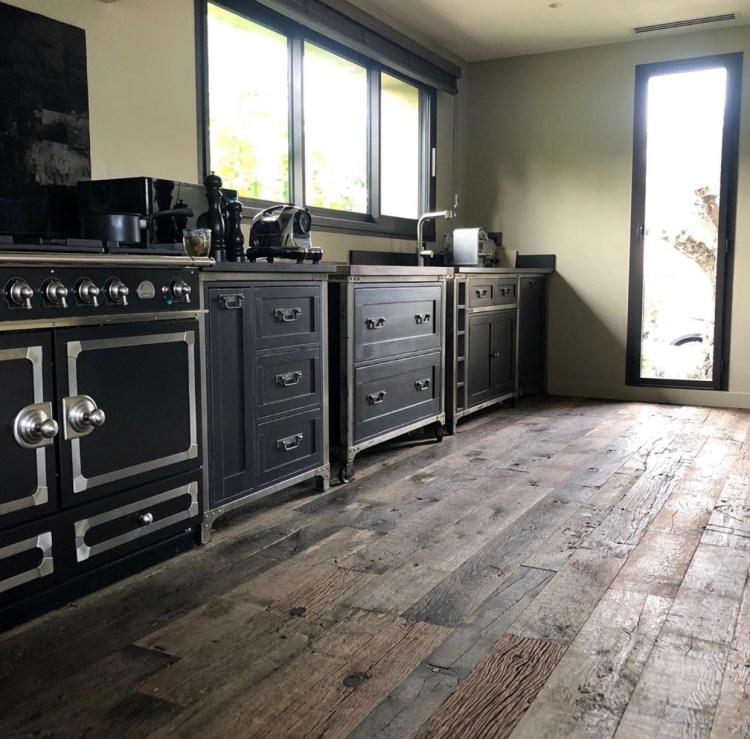
Charred wood flooring offers a striking alternative to traditional finishes. Its rich color and natural grain patterns make it ideal for modern and rustic homes alike. For high-traffic areas, consider sealing the wood with a matte or satin finish for added durability.
4. Furniture and Decor
From dining tables to shelving, shou sugi ban lends a bold, artisanal feel to furniture and decor. Pair charred wood with metal accents for an industrial look, or with soft textiles for contrast.
5. Outdoor Elements
Shou sugi ban isn’t just for interiors. Use it for fences, decks, pergolas, or garden beds to create a cohesive look that blends beautifully with nature. The natural resilience of charred wood makes it a smart choice for outdoor spaces.
Choosing the Right Wood
While traditionally performed on Japanese cedar, shou sugi ban can be applied to a variety of woods, including pine, oak, and cypress. Softwoods typically work best for achieving a deep char, while hardwoods create a subtler effect.
DIY or Hire a Professional?
While DIY enthusiasts can experiment with shou sugi ban using a propane torch, it’s important to prioritize safety and practice on scrap wood before tackling a large project. For larger applications like siding or flooring, hiring a professional ensures consistent results and proper sealing to protect the wood.
Caring for Shou Sugi Ban
Although shou sugi ban wood is durable, it does require periodic maintenance. Depending on its application and exposure to the elements, you may need to reseal or oil the surface every few years to maintain its beauty and integrity.
Conclusion
Shou sugi ban offers a perfect blend of history, sustainability, and striking beauty, making it an excellent choice for homeowners looking to stand out. Whether you are embracing its traditional roots or giving it a modern twist, this time-honored technique will undoubtedly leave a lasting impression on your home design.
Explore the versatility of shou sugi ban, and let your creativity guide you in crafting a space that feels timeless and uniquely yours.

December 9th, 2024
3 Aesthetic Reasons To Use Reclaimed Wood in Your Home
Using reclaimed wood in your home brings both aesthetic and environmental benefits. Here are three aesthetic reasons to consider incorporating reclaimed wood into your design:
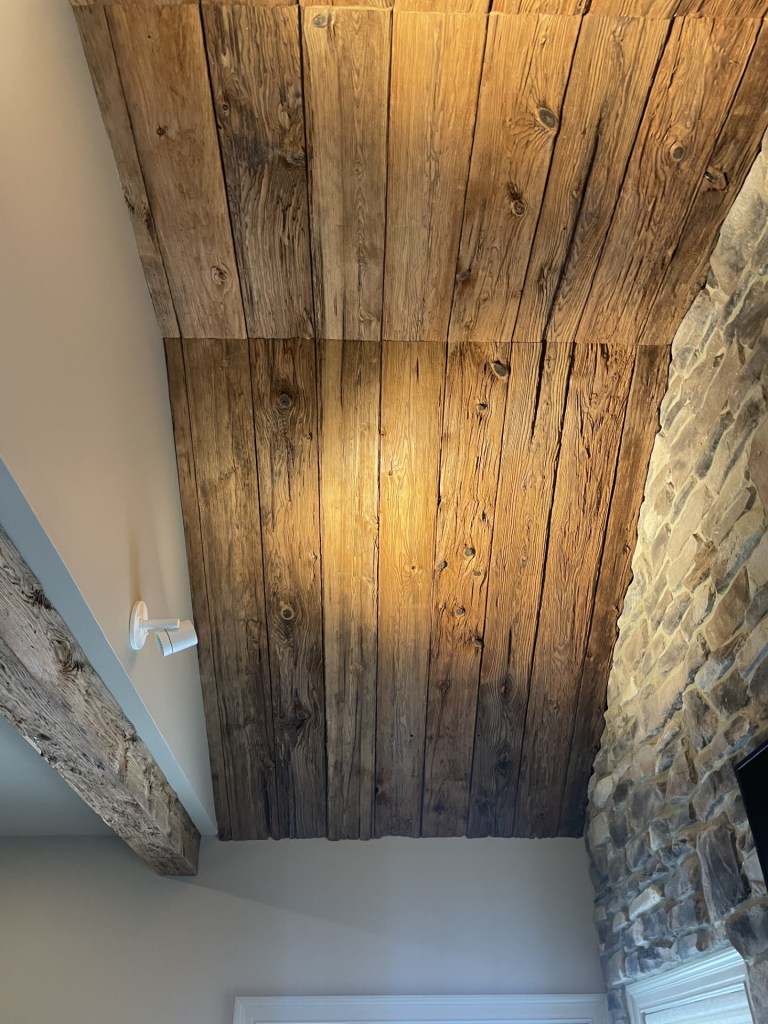
- Unique Character and History: Reclaimed wood often carries a rich history, with visible signs of wear, patina, and natural imperfections that add depth and personality to any space. The knots, grain patterns, and weathered textures tell a story that new wood simply cannot replicate. This uniqueness can be used to create a space filled with character, giving a timeless, rustic, or vintage charm.
- Warmth and Texture: The natural tones and textures of reclaimed wood—whether it’s a deep, aged oak or a lighter pine—can create an inviting and cozy atmosphere. The weathered surfaces and varied hues enhance the tactile experience of your home, bringing in warmth that softens modern or minimalistic interiors. This organic material can help to balance cold, sleek finishes, adding a touch of nature inside your living space.
- Sustainability and Eco-Friendliness: Beyond the visual appeal, reclaimed wood reflects a growing desire for environmentally conscious choices. It allows you to incorporate a sustainable material into your home that has already been used, reducing the need for new resources. Its presence can contribute to a space that feels not only beautiful but also responsible, aligning with values of eco-friendliness and craftsmanship.
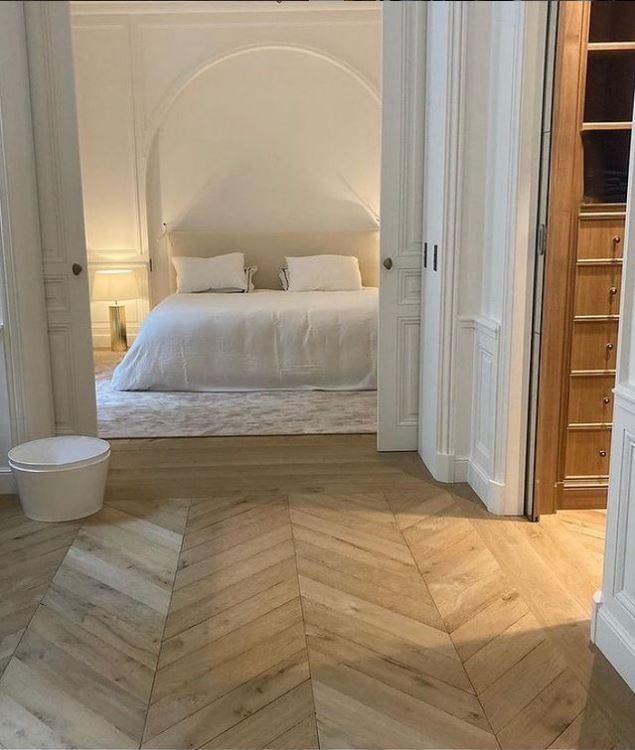
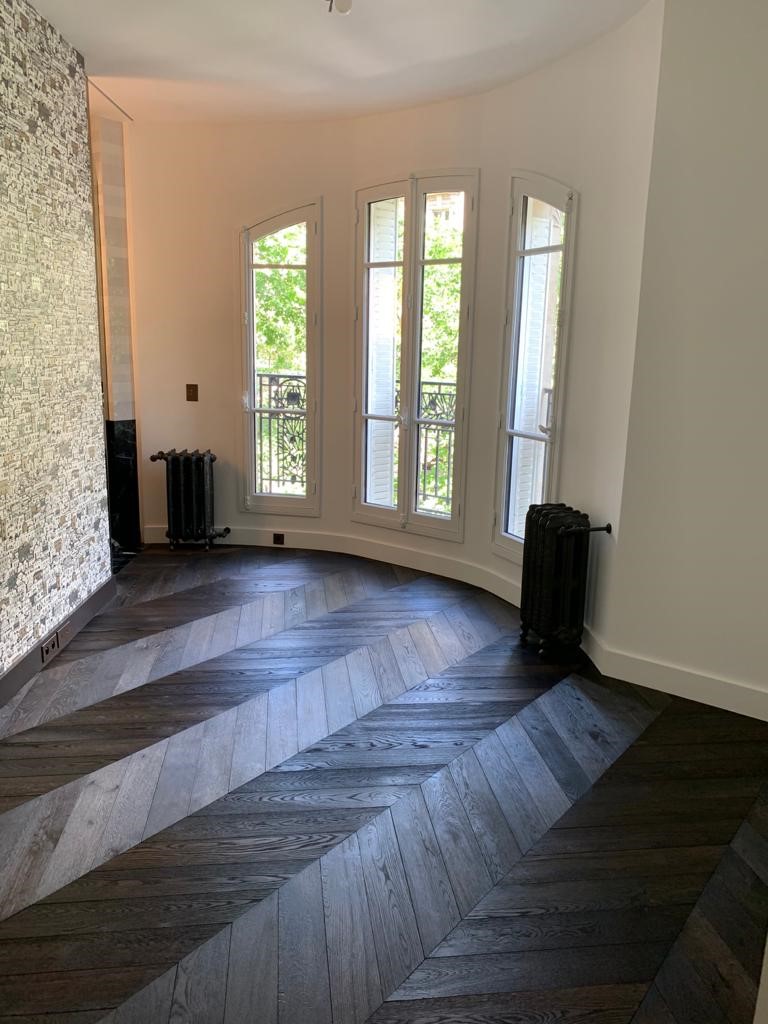
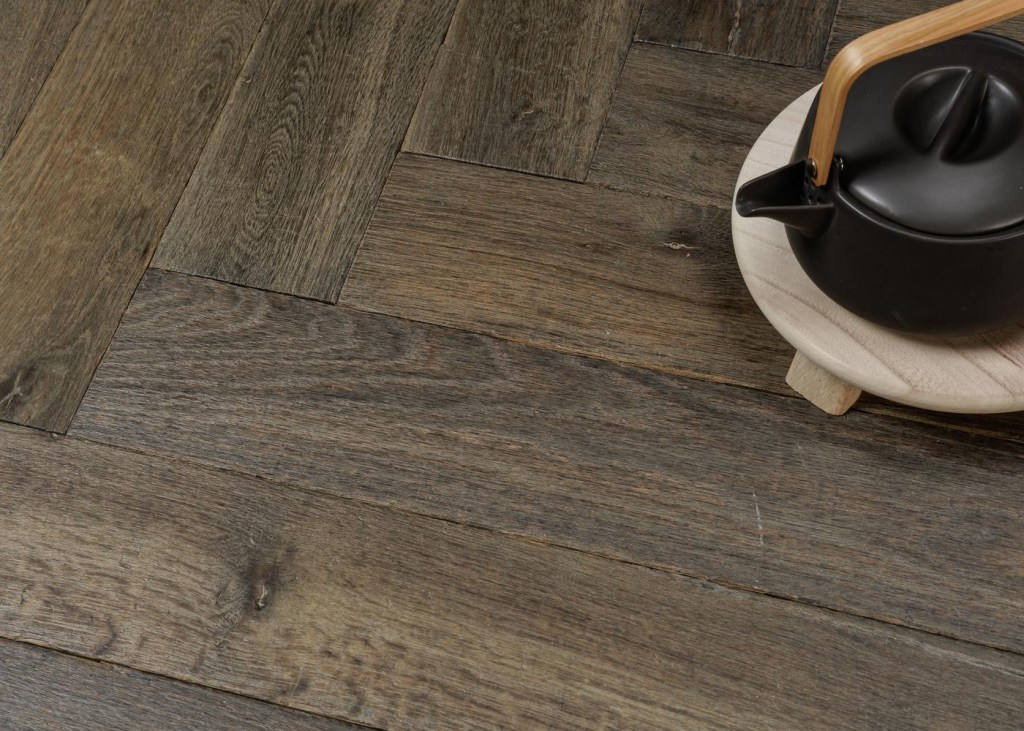
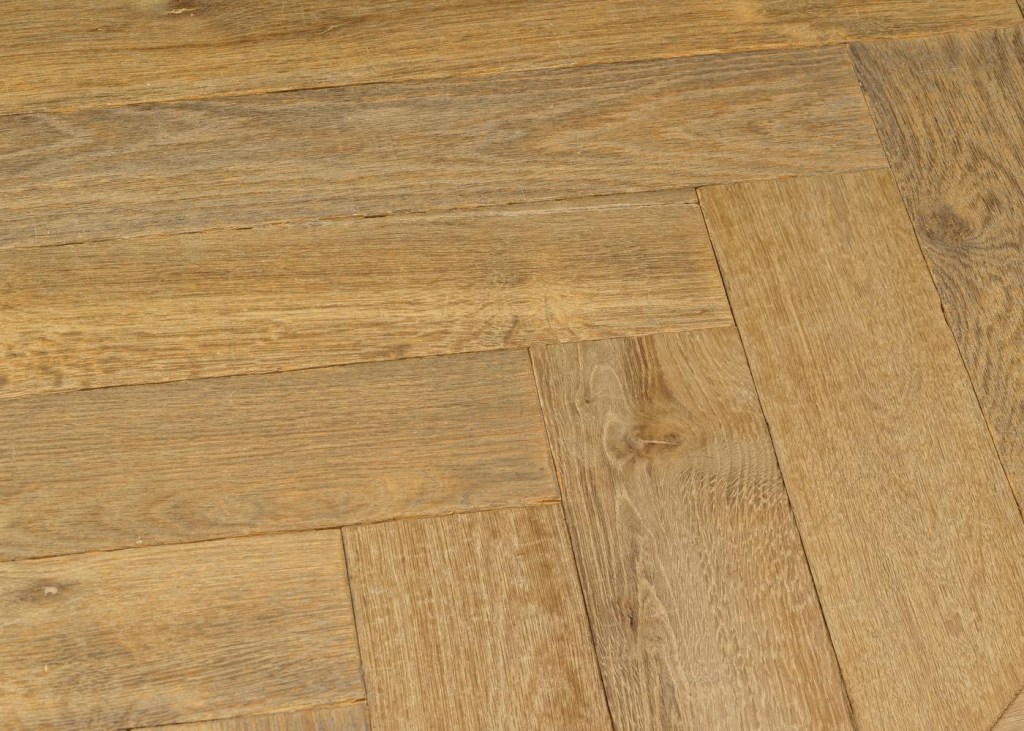
July 26th, 2024
Chevron or Herringbone: Which Best Suites Your Design?
I am seeing more and more that homeowners, guided by their architects or designers, are opting for a herringbone or chevron pattern in their foyers and hallways. Reading this, you might be unfamiliar with these patterns or maybe you’ve heard of them in fashion or tile work but did not realize that they are also a possibility with wood floors. Both of these patterns have been around for millennia and longer but before I jump into the purpose of using a pattern like chevron or herringbone in your home I’m going to explain the differences between the two.
Chevron
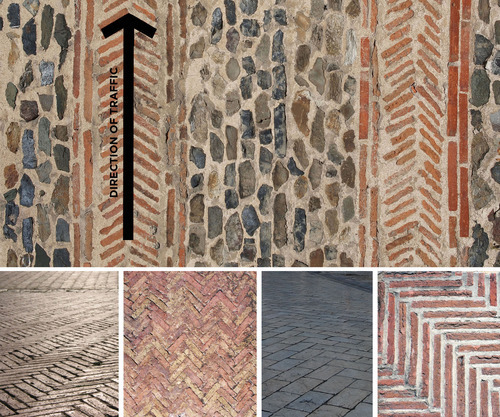
The chevron pattern is characterized by its distinctive V-shaped pattern (first two pictures in slideshow above). Boards of a fixed size, commonly 4″Width x 20″ or 24″Length, are cut at a 45 and those pieces meet at the top to create a repetitive pattern once installed. The Ancient Greeks and Romans used Chevron as a design feature, mainly in mosaics and textiles. During Medieval Europe and the Renaissance chevron began to show up in flooring patterns, seen as a sign of luxury and sophistication. The chevron pattern’s geometric precision and visual appeal have made it a lasting choice for flooring that continues into modern times.
Herringbone
Herringbone is also characterized by its V-shaped pattern, resembling the skeleton of a herring fish, from which it gets its name (third and fourth pictures in slideshow). This pattern is achieved by arranging rectangular planks cut to a fixed size, commonly 4″Width x 20″ or 24″Length, in a staggered zigzag pattern, where each plank is laid at a 90-degree angle to the next. The origins of herringbone flooring date back to the Roman Empire where it was used for road construction typically made from brick or stone (last picture in slideshow). As with chevron, herringbone was adopted for use in homes in Medieval Europe where it first began to be constructed using wood. During the Renaissance period this pattern was especially popular in French and Italian architecture, prominently used in grand chateaux and palazzos. The enduring appeal of herringbone flooring lies in its combination of beauty and functionality, making it a timeless choice across various architectural styles.
Why Use Chevron or Herringbone in your Home?
I live in the Northeast US and have been selling flooring and other wood products for almost a decade. I can tell you, based on my geographic location, that I do not see either of these patterns used often enough in people’s homes. It is important to note that both of these patterns will cost you a bit more than regular planks. The material itself is more costly due to the fixed sizes and the labor to install is typically a bit more costly than if you are using standard plank flooring. The good news is you don’t have to use these patterns throughout your entire home if you’re looking to add a sense of movement and sophistication. Integrate chevron or herringbone into your foyer and hallways on your first floor where you are much more likely to be entertaining guests. As for which pattern to use, the choice is ultimately yours, there is no right or wrong. I prefer the chevron pattern over the herringbone as I feel that it looks a bit sharper and timeless but that is only my subjective opinion.

July 10th, 2024
Japandi Design in a Connecticut Lake House
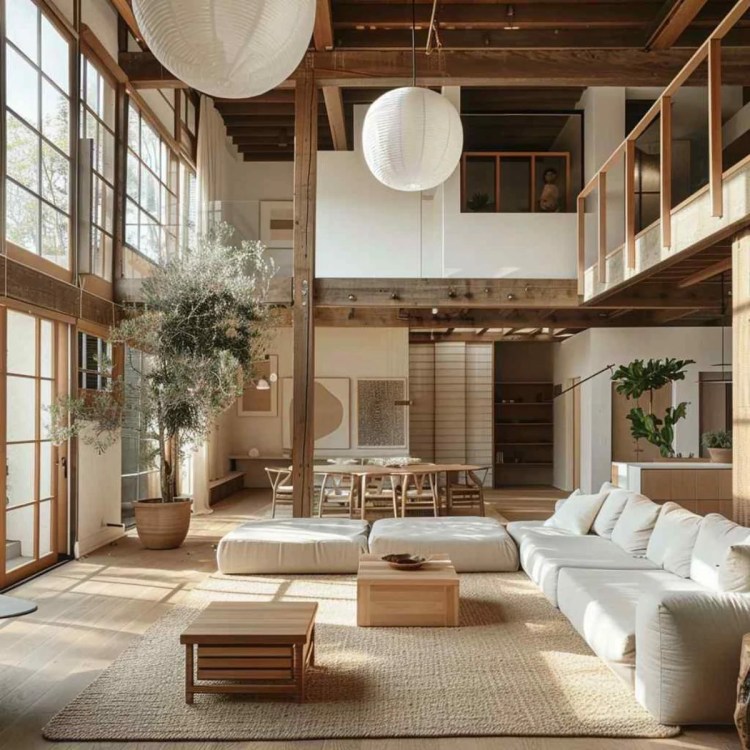
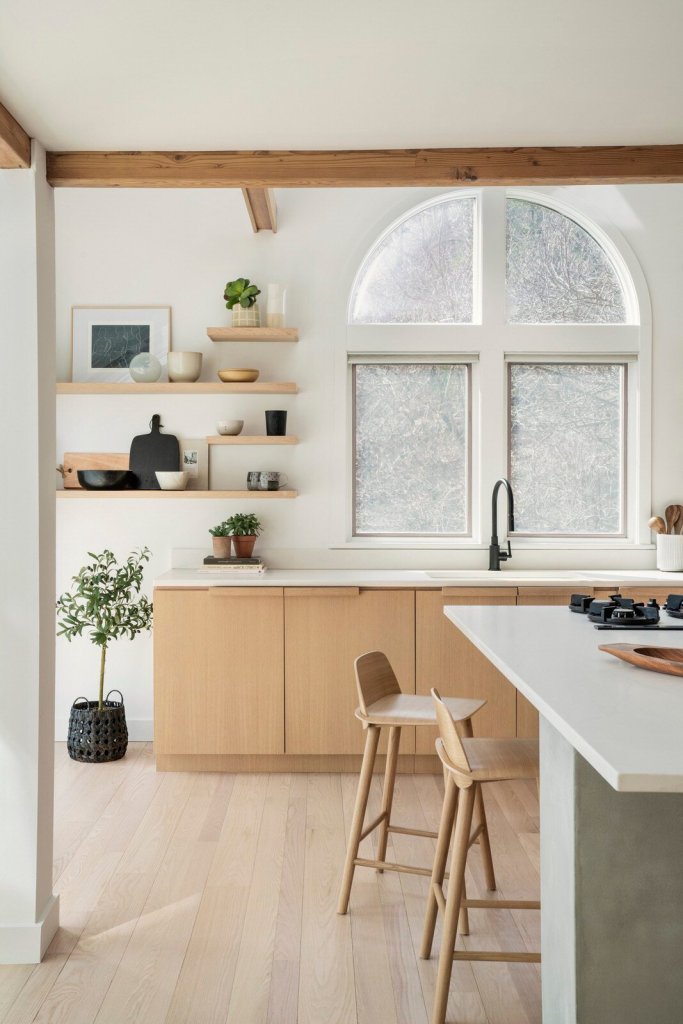
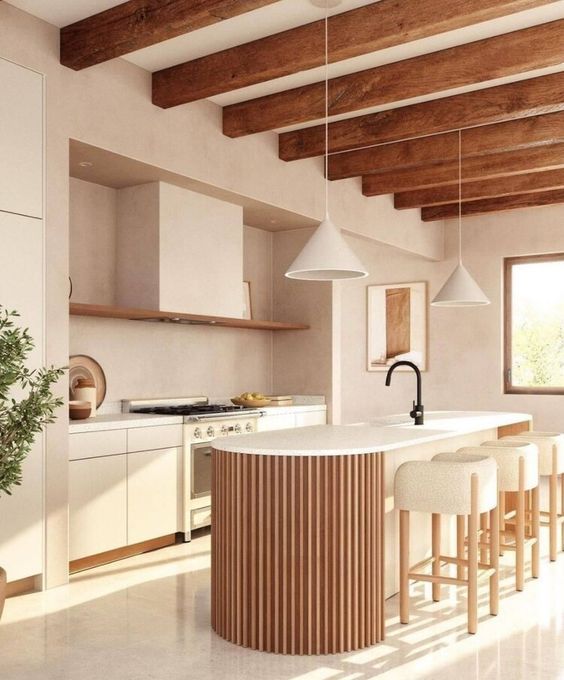
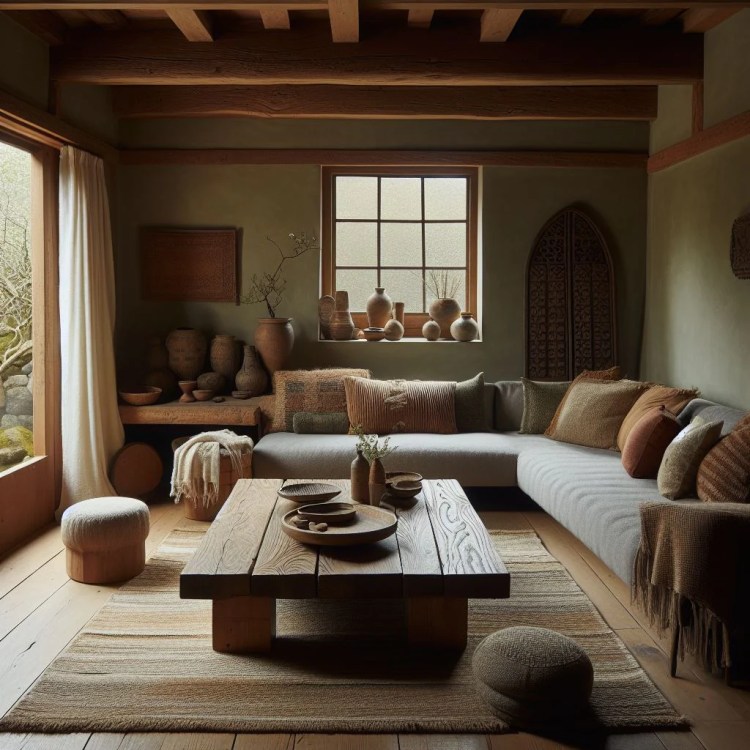
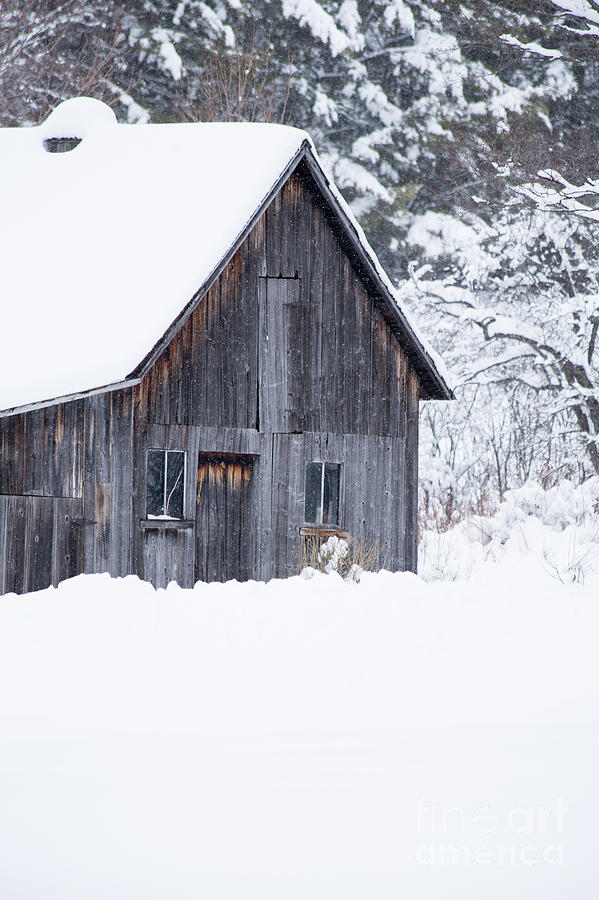
Typically, when I am presenting materials to a client, I am dealing with an architect, designer or builder. Occasionally I have direct contact with the homeowner but even in these cases the material and the overall design of the home has already been decided upon. Very recently I had the opportunity to meet with a homeowner who was in the process of building out a lake house in Connecticut. The exterior of the home, clad in silver/grey barn siding (see last blog post below), was near completion but the inside had only been roughed out meaning there was exposed framing with no sheet rock. As we were walking through the home, he was showing me what he had already done as well as what he was planning on doing. At one point he mentioned that he was going for a “Japandi” style interior design. Maybe you’ve heard the term Japandi before but are not familiar with where the word actually comes from. Japandi is actually a portmanteau, a combination of two names, Japan and Scandinavian. As Architectural Digest puts it, “centered on tranquil, minimalist and functional interiors, the aesthetic often permeates into more than the look of a home.” I’ve added pictures above, as well as one photo of the lake that this home looks out upon, as a reference. Please feel free to Google Japanese Interior Design, Wabi Sabi or Scandinavian Interior Design for further inspiration.
For this particular home, the client was very involved with the design of the structure itself, accounting for very clean angles on the exterior and making sure to allow for natural light to enter the space at any time of day. He had been planning out a lot of the interior design as well and, thankfully, welcomed my input. There were two aspects, specifically, that he wanted to figure out during our time together. The first being the type of flooring he was going to use in the space and the other, what type of reclaimed wood he was going to use to clad a few exposed beams in the kitchen and in the entrance from the kitchen to the great room. We started at the beams, discussed a couple profiles that could potentially work in the space and ended up deciding that a hand-hewn profile would be ideal in adding a touch of texture and character.
Moving on to the flooring, the width and length of boards were very important to the homeowner. He also wanted to make sure that the profile he chose would complement a Japandi inspired space. After going through about a dozen profiles of varying widths, stains and grades we were down to two options, a rustic grade 8-5/8″ wide plank or a rift and quartered 5″ plank. Both of these options were European White Oak with a White 5% pre finish and either of them would work well in the space. The exterior of the home, with its sharp angles and silver/grey barn siding had a really interesting combination of modern and rustic aesthetics. How could we carry that look and feel to the interiors, a clean modern look that would play off of the hewn beams and other aspects of the interiors? Together we decided that the rift and quartered would be the best option in achieving this specific look and, fortunately, there a was a 7″ width available so he wouldn’t have to compromise on his desire for a wide width plank. I am hoping I will get to revisit this home once it has been completed and, assuming this happens, I will be posting pictures of this completed project on my Instagram.
-
July 1st, 2024
Silver/Grey Cladding: What To Know Before You Buy
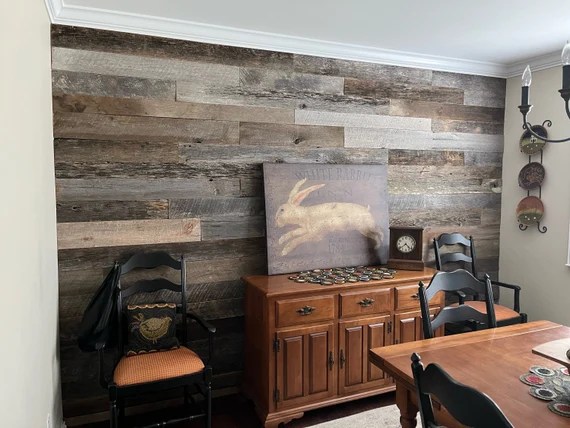
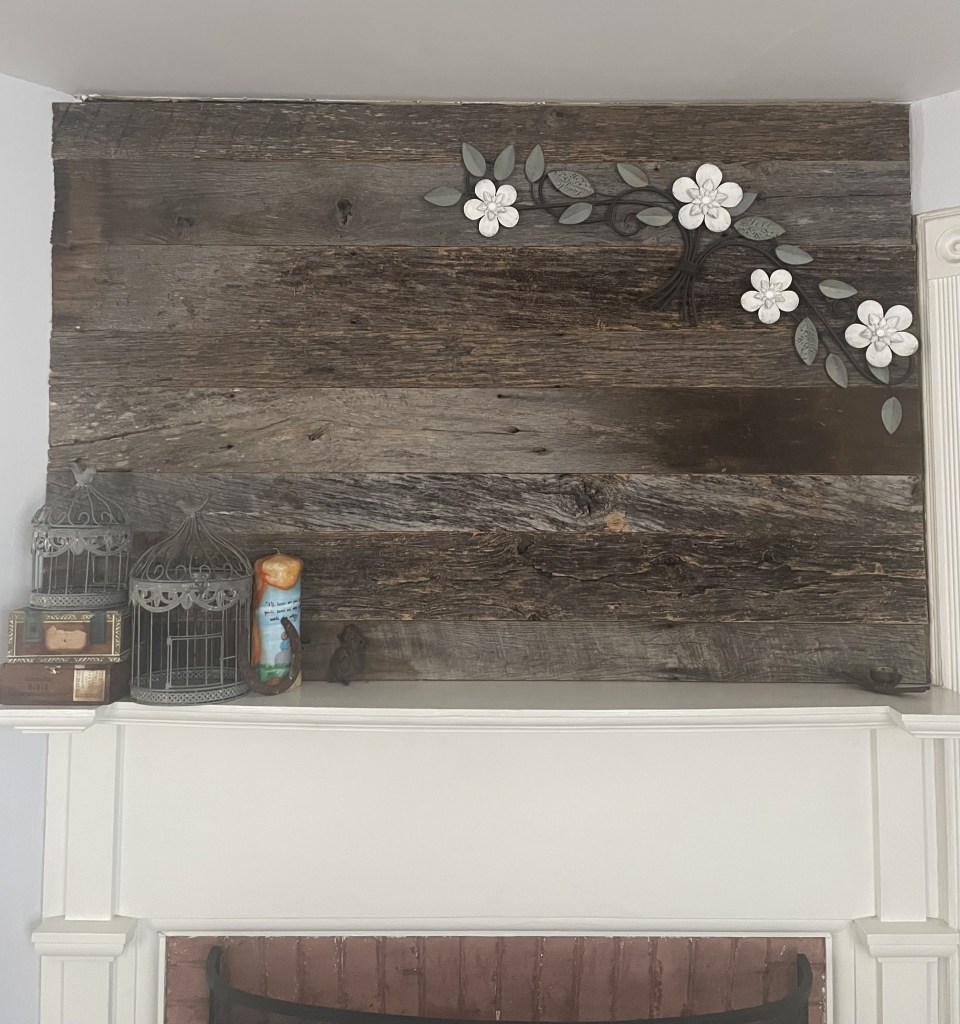
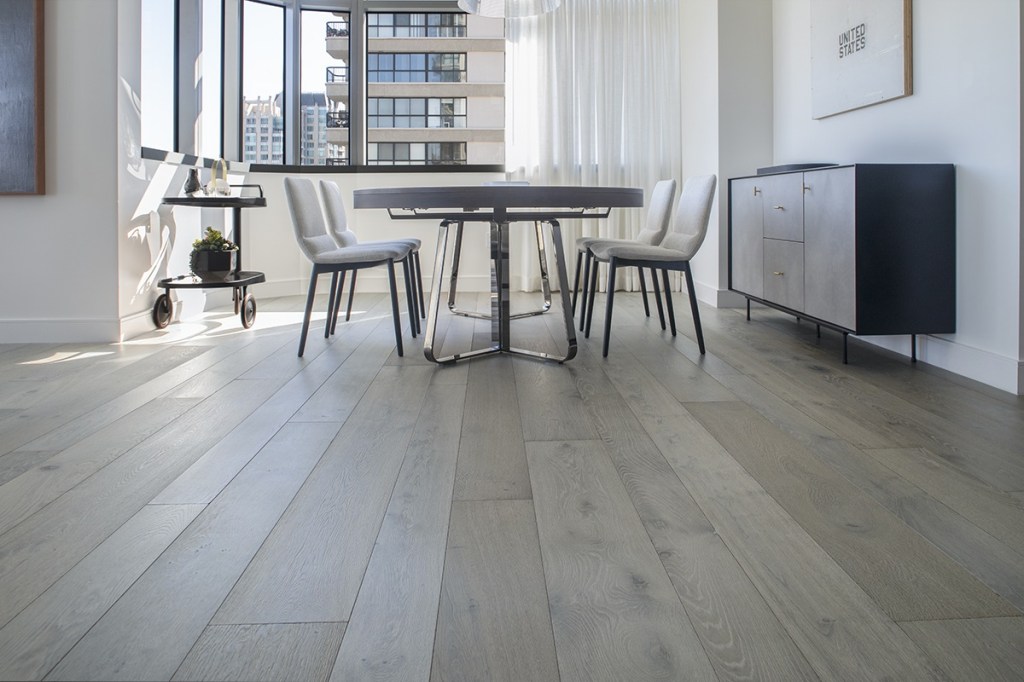
Silver or grey cladding from the exterior of barns is one of the most popular reclaimed products you can purchase for your home. Personally, I have sold enough silver/grey cladding in my life to cover 100+ barns. I have silver/grey cladding in my home above my fireplace (pictured above). In my opinion it is one of the nicest materials derived from a barn and adds warmth and texture into any room you decide to use it in.
A little back story on this material before we get into the meat and potatoes of the post. Historically, barns were built and either one of two things would happen at the end of construction, the farmer and his crew painted the barn, or they didn’t. That decision was mainly driven by $$$. Quite often what you will find if you decide to peruse the country to check out old barns, the “wealthier” parts of the country will have paint on their old barns while the “poorer” parts will have no paint. Dairy barns where farmers would have had to purchase and care for cattle often have red or white painted barns while tobacco barns where farmers would hang their tobacco leaves to dry would often have no paint. The absence of paint leaves the raw wood exposed to the elements. This wood starts out as all freshly milled lumber does, brown or tan in color with saw markings from the machinery used to mill the material. Over a relatively short period of time however that brown or tan wood starts to turn grey or even black in some spots depending on exposure to the sun and how much the weather in a specific geographic location affects the wood.
Fast forward 80-100 years and that barn finds itself disassembled traveling on a flatbed truck to your local retailer where you, the homeowner or builder, will see it for the first time. At this point the wood has experienced, on average, about 360 changing seasons of weather. The wood at the top of the barn has aged differently than the wood towards the bottom. Each side of the barn, from the East side to the West, North and South have gone through its own specific aging process. You can probably derive from this that this wood will have a large variety of patina from board to board and this is where your decision comes in. Based on personal taste and my experience I prefer the varying patinas and the color variation but, if you don’t, that’s perfectly ok, it is purely a matter of opinion and the overall styling of your home. Should you decide that the rustic nature of barn wood silver or grey cladding is too rustic there are plenty of aged options such as reclaimed snow fencing which offer a much more predictable and consistent aging process. The choice is yours!
June 18th, 2024
Lengths Of Planks: Why Does It Matter?
I recently came across two separate but similar situations. The majority of mills that I typically deal with carry flooring planks in 2′-10′ lengths and I have become accustomed to quoting floors in these lengths. In this particular situation I had two different clients, an architect and a builder, who needed floors quickly (within 2 weeks) that I was not able to source from my typical suppliers. I had to find a new mill that I hadn’t dealt with previously to supply these floors. Both of these orders were happening at the same time and I accepted payment for both within a few days of each other. I called the mill to proceed with the orders only to find out that both stocked orders were lengths of 1′-7′. To make a long story short, fortunately the architect was ok with the shorter lengths but I had to scramble to find the builder a floor at the lengths he had requested and paid for, in the time that he needed it. In the end, problems were solved without too much pain or loss of $$.
Why was the architect ok with the shorter lengths of 1′-7′ but the builder needed the 10′ planks? There were a couple factors that played into these decisions on my clients’ end. For the architect, he had a new build and his home did not have an open floor plan. There were a number of hallways and smaller rooms where he was able to use the shorter 1′ and 2′ planks and still be able to save the longer 5′-7′ planks for the larger rooms. He also knew that furniture and rugs would be placed in certain areas which he communicated to his installer. Regarding the builder, he was working on an addition of an existing home where he needed to match existing floors from the main part of the home. This addition was a large open room where he needed long planks to give the floor more continuity in its appearance.
Longer and wider planks tend to be more desirable in most situations particularly in larger homes with open floor plans. They are also at a higher price point and may not work for every budget. In situations where budget is a priority and the lay out of the home can accommodate you may be able to use shorter planks without jeopardizing the overall aesthetic of your home.
June 5, 2024
Rustic Or Reclaimed: What are the real differences?
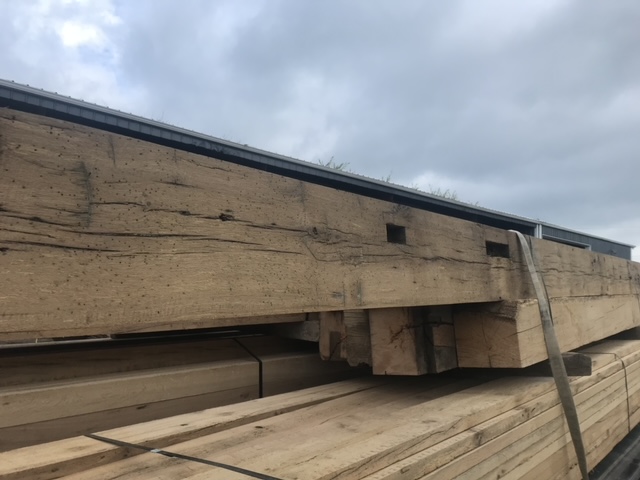
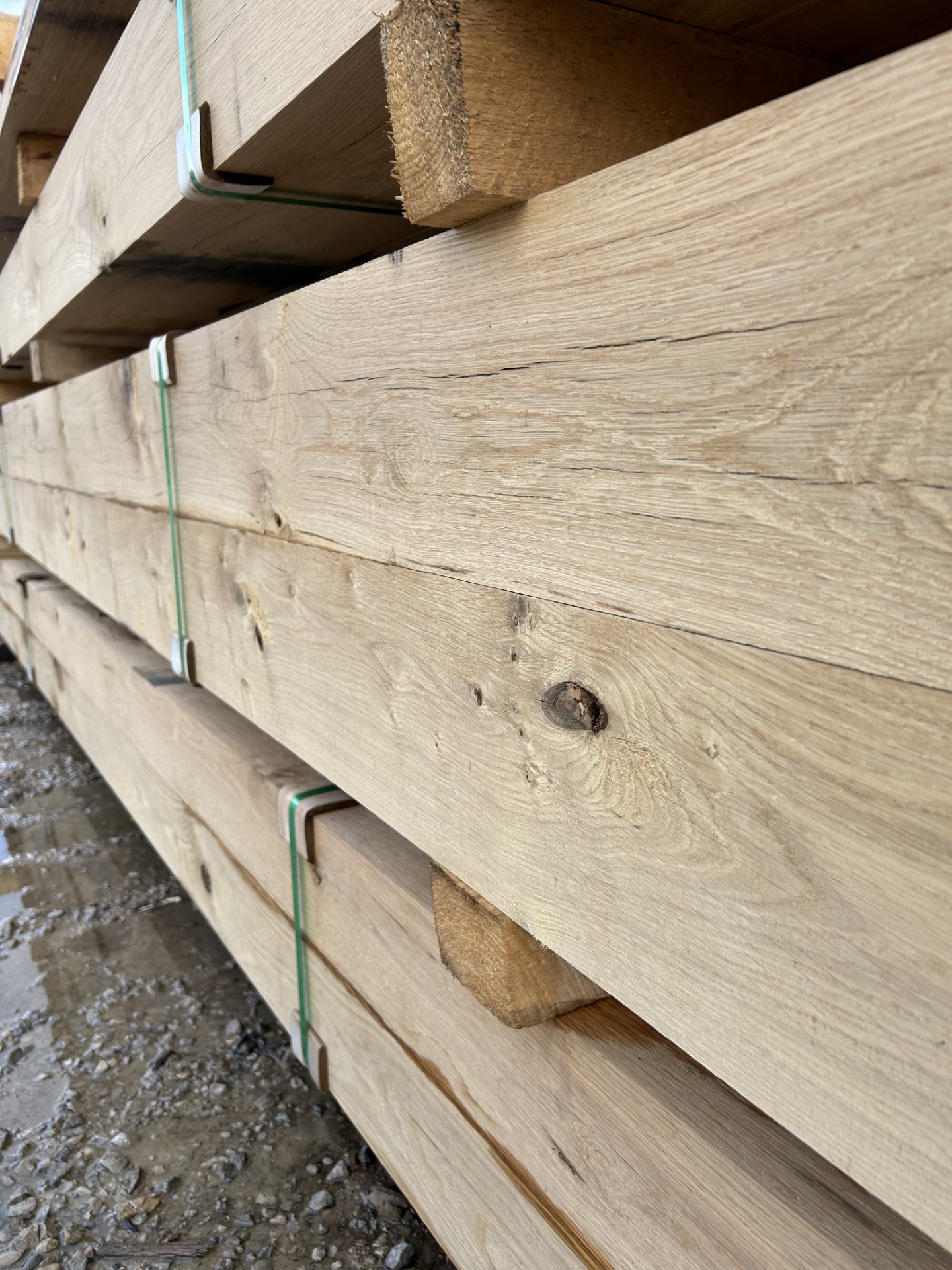
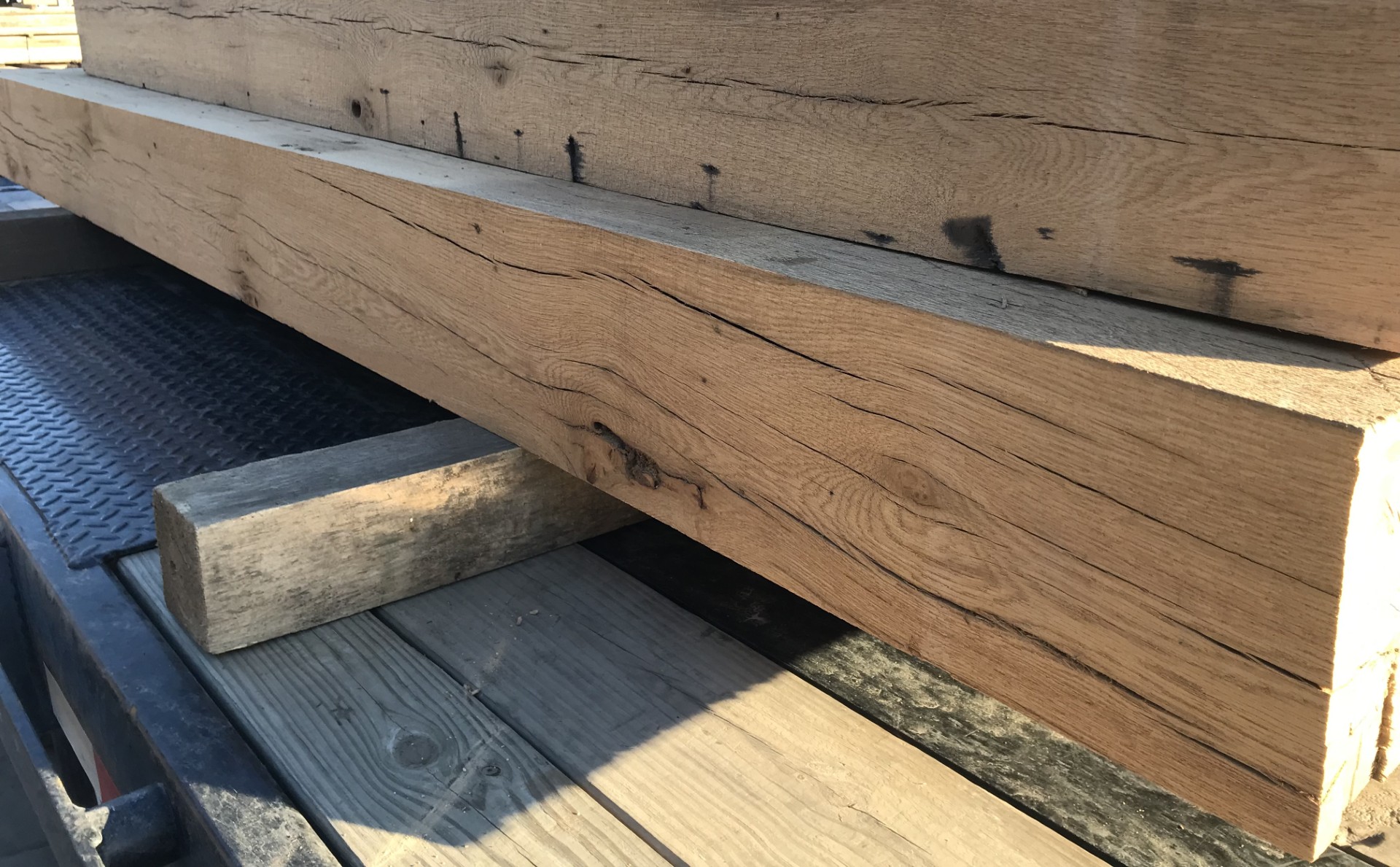
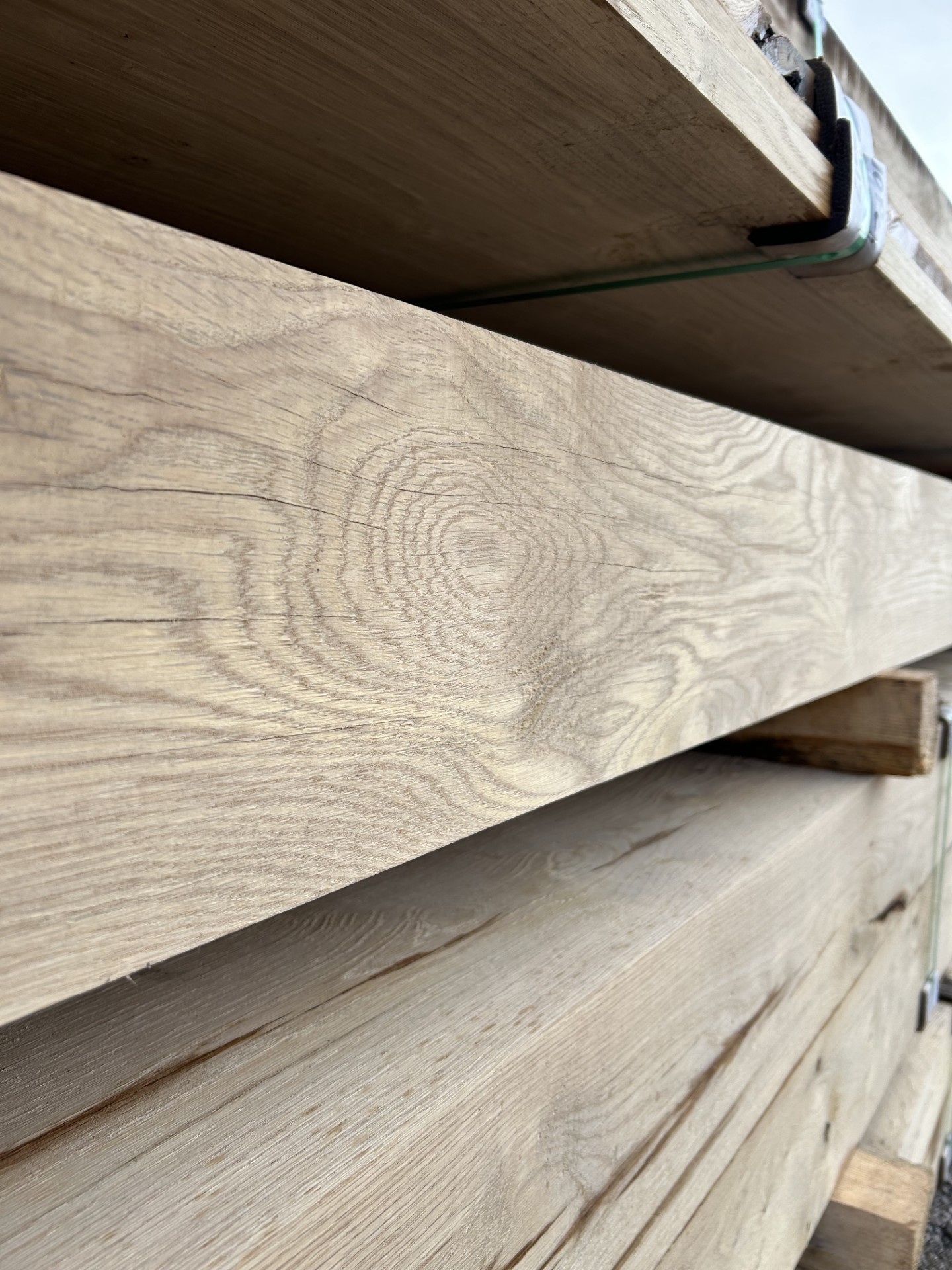
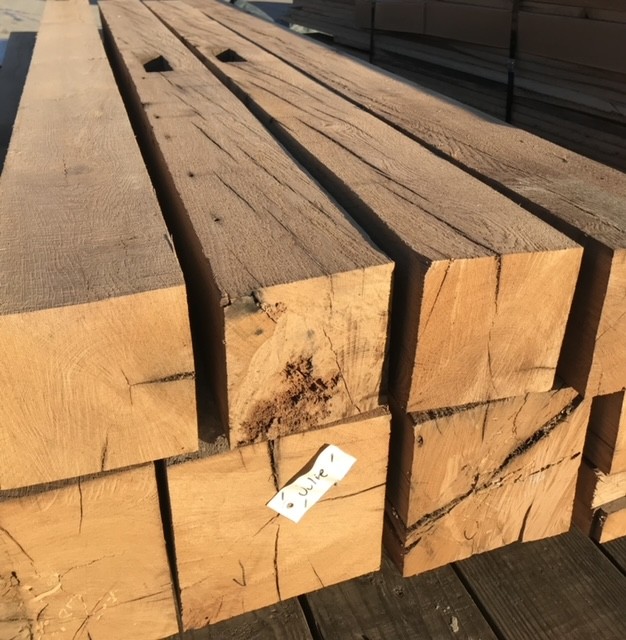
On a recent trip out to the mid-west I had the pleasure of visiting one of the largest reclaimed wood distributors in the US. These trips can be time consuming, but the benefit is that I get to see the material and ask questions in person. I was shown rustic white oak timbers that the mill was air drying for future customers. The timbers were dead straight and square which is near impossible to find when hunting for reclaimed beams. They contained splits, checks and knots just like you’d see in reclaimed material, but they had no mortise and tenon or oxidized nail streaks. Reclaimed timbers tell a story by the markings and character that they contain, the rustic timbers were devoid of these features. Reclaimed timbers have been air drying for decades, and often over a century, so they can be a bit more predictable when installing in the field. Rustic timbers are technically green lumber meaning that the moisture content at the center of the wood is still relatively high. If your plan is to leave these rustic timbers “as is” then air drying is acceptable although the beams may go through some minor splitting and moving as they adjust to their new home and as the seasons change. If you are cutting 1″+ skins from these timbers, those skins would need to be kiln dried prior to installation.
There are pros and cons to using either reclaimed or rustic timbers on your next job or for your new home. Now that you’ve read this post are you able to discern from the pictures above which timbers are reclaimed and which are rustic?
May 28, 2024
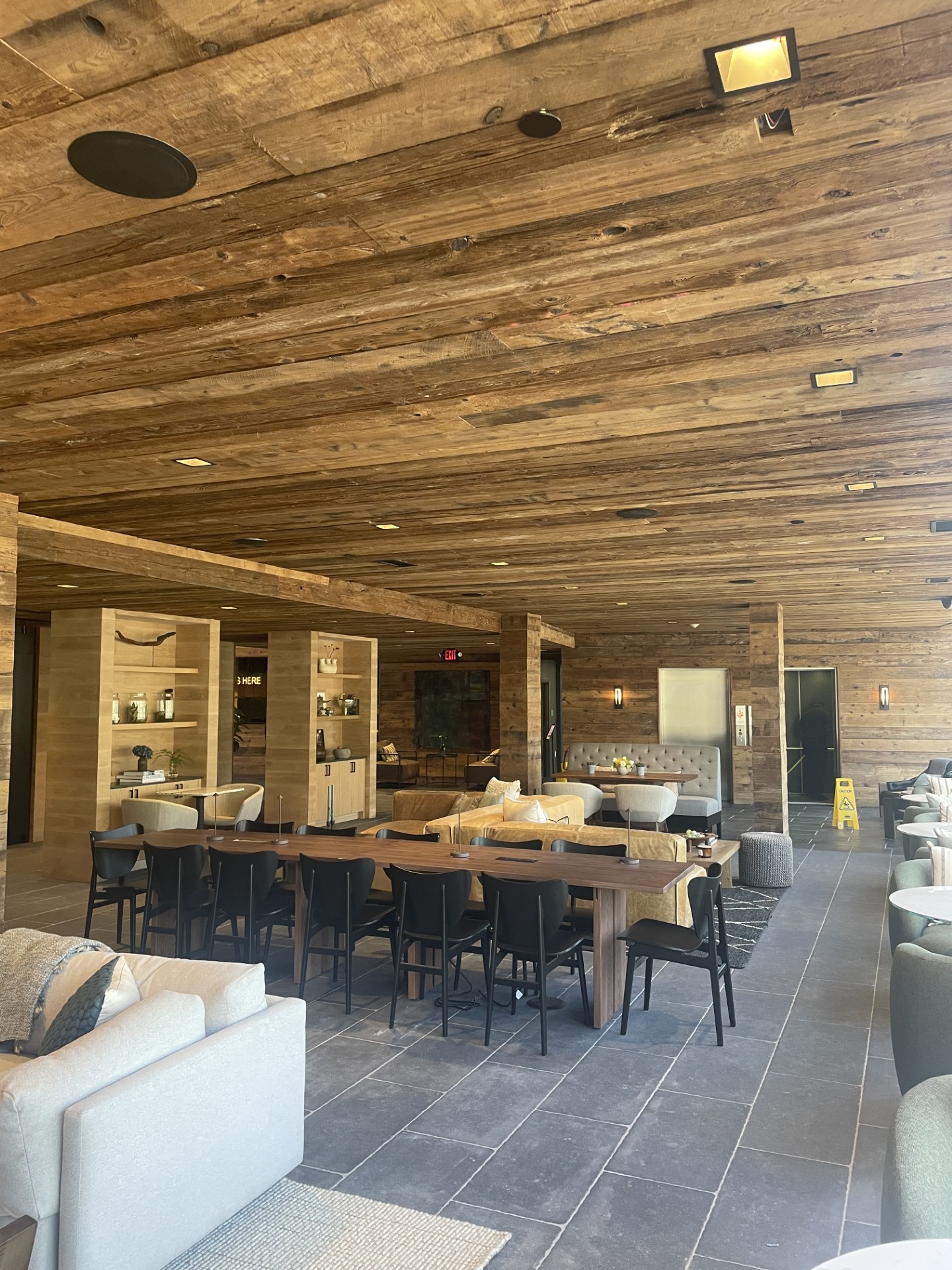
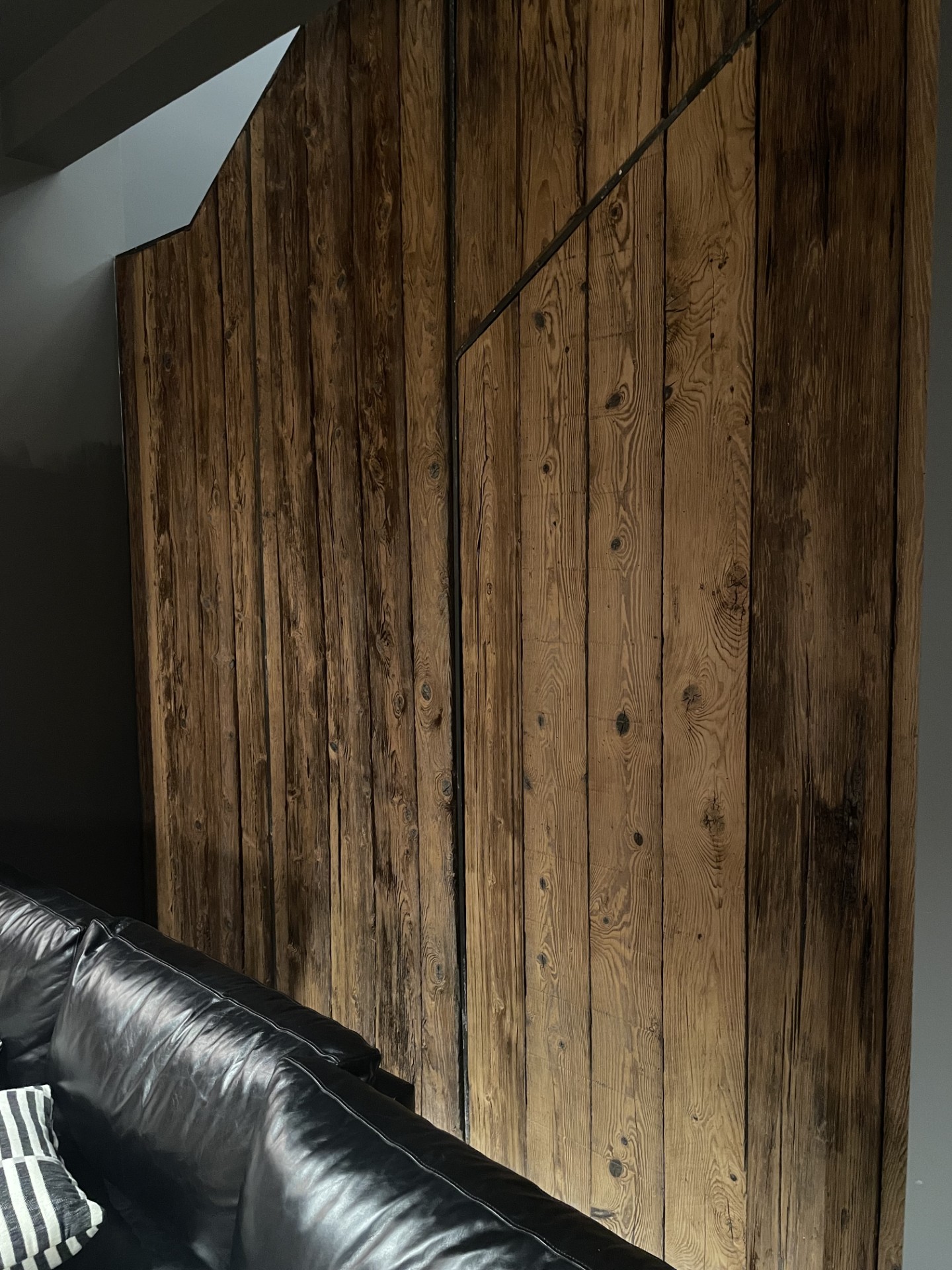
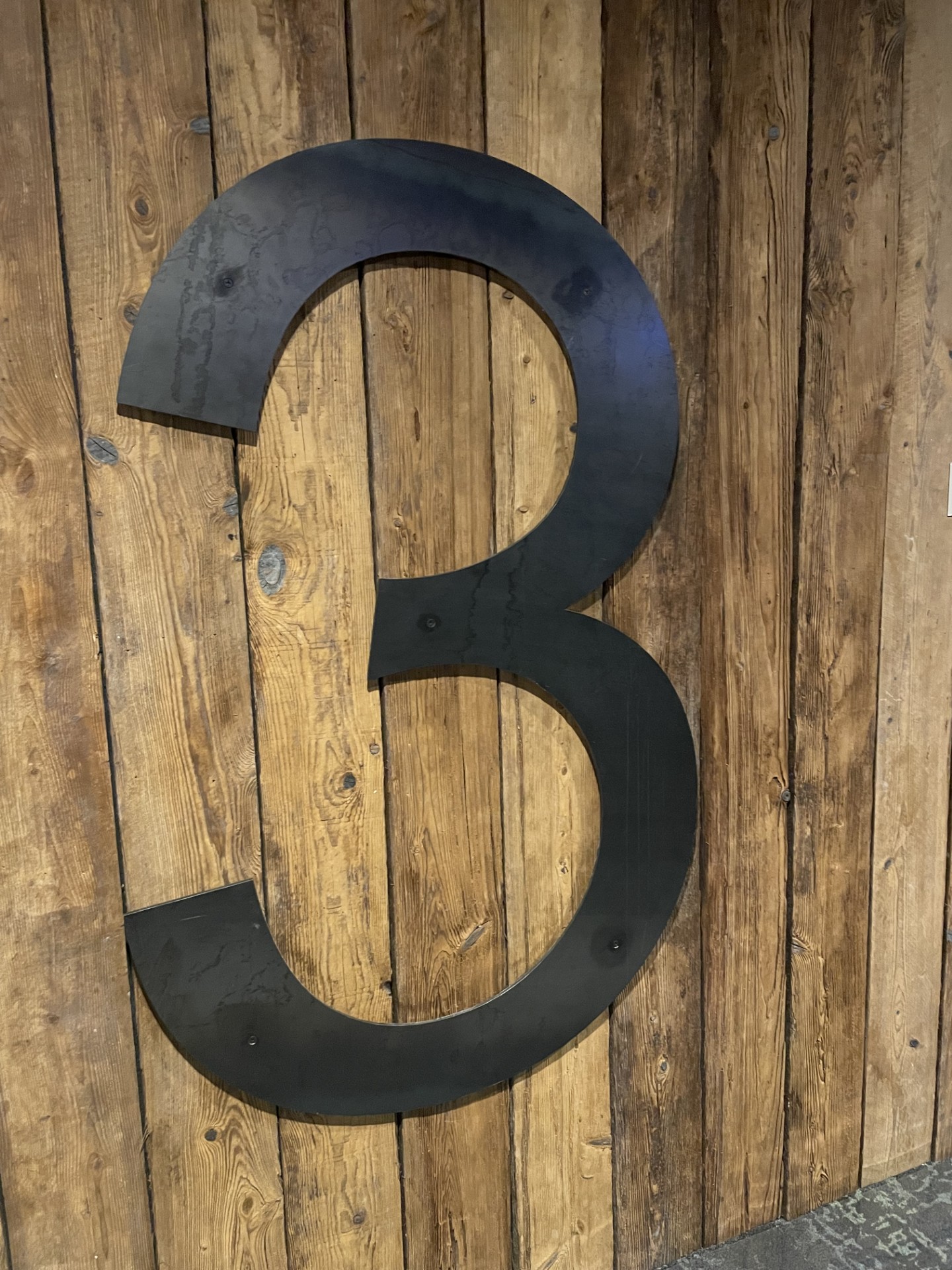
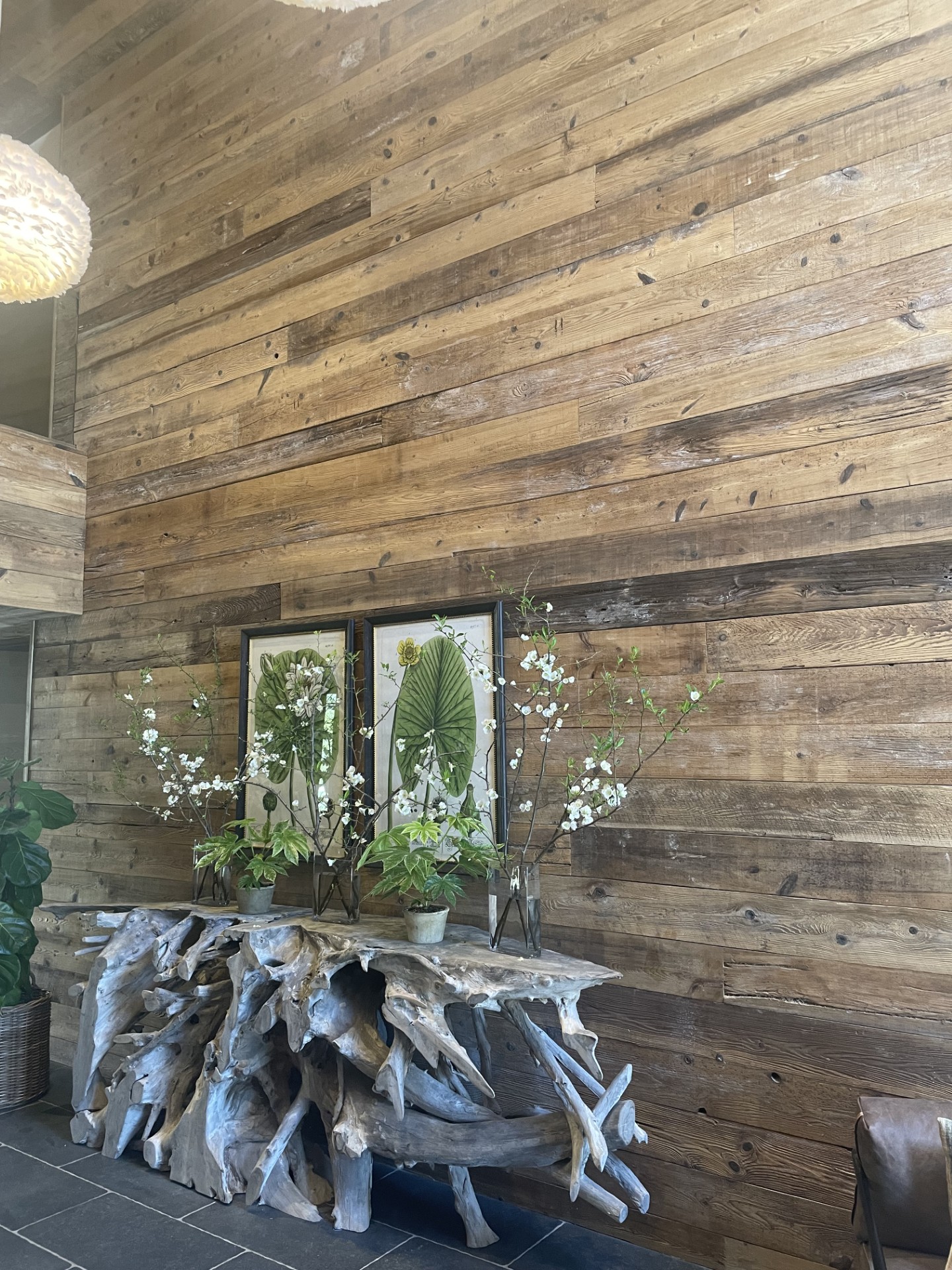
Mushroom Board at a Hotel in Fairfield, CT
This hotel was recently purchased by a savvy developer from Stamford, CT. The developer and architect took a space that looked fairly mundane and used Mushroom Board to clad the ceilings and walls throughout the common areas. FUN FACTS…Did you know that mushroom board comes from mushroom farms where these hemlock boards are used to create beds for mushrooms to grow in? The mushroom beds are kept in a dark warehouse where they are mostly covered in compost and receive constant humidity. Due to these conditions the boards become weathered and textured relatively quickly. The result is a highly textured, yet fairly consistent product and the images above speak for themselves. And don’t worry about the boards being covered in compost, they are power washed and kiln dried before they ever leave the mill.

 Chisel & Loom